The modern kitchen rangehood is a powerhouse, efficiently capturing the smoky remnants of a delicious meal. But over time, that power comes at a cost: a sticky, greasy buildup that rangehood cleaning can look less like a culinary masterpiece and more like a science experiment gone wrong. When faced with a sludge-coated filter and a questionable level of internal grime, the temptation to grab a scrubbing brush and a bucket of degreaser is strong. However, before you dive headfirst into the greasy depths, it’s crucial to pause and consider if tackling this monumental mess yourself is truly the best path. Understanding the professional alternatives to DIY rangehood cleaning Sydney can save you not only elbow grease, but also potentially, a trip to the emergency room (due to fumes, let's be honest). This guide will equip you with the knowledge to make the safest, most effective decision for your kitchen.
Understanding the Scope of Rangehood Cleaning
Rangehood cleaning is not merely about washing away visible dirt; it is a deep process that tackles complex chemical residues. The grease, smoke, and particulate matter that build up are a mix of carbon deposits, oils, and microscopic dust, creating a sticky matrix that defies simple scrubbing.
The Hidden Grease Problem
The buildup inside a rangehood is often far more complex than simple dirt. Grease, when combined with heat and smoke, undergoes chemical changes, essentially hardening into a tar-like residue. Attempting to remove this buildup manually is like trying to peel hardened caramel off a delicate surface—you risk damaging the expensive filters, electrical components, or the hood’s internal structure. Furthermore, the filters themselves often need more than just soap and water; they may require specialized degreasers and mechanical assistance to restore their original filtration efficiency.
Safety Concerns You Cannot Ignore
Perhaps the most compelling reason to seek professional help is safety. Rangehoods are integrated into your home’s electrical system. When you are wrestling with grime, you are inevitably working near wiring, motors, and electrical connections.
- Chemical Hazards: DIY degreasers can emit potent fumes. Without proper ventilation and knowledge of chemical reactions, these fumes can be hazardous. Electrical Risks: Water and grease are an incredibly dangerous combination near electricity. Even if you are careful, the risk of cross-circuit contamination or short-circuiting the unit is real. The Expert Eye: A professional doesn't just clean; they inspect. They can identify potential leaks, motor issues, or structural problems that you might miss while blinded by grease.
Weighing Your Options: Professional Help vs. DIY Effort
When considering the best alternative to DIY rangehood cleaning Sydney, the decision boils down to risk assessment versus effort expended.
The Benefits of Professional Services
Hiring a professional service is an investment in peace of mind and guaranteed results. These experts are equipped with industrial-grade tools and knowledge of both appliance maintenance and chemical safety. They treat the job not just as cleaning, but as restorative maintenance.
The quote, "The best thing about having a professional is that you are paying for expertise, not just labor," perfectly summarizes this. A professional service will typically provide:
- Specialized Equipment: Industrial vacuum systems and steam cleaners designed for greasy, confined spaces. Safety Protocols: Proper use of respirators, ventilation, and electrical safety measures. Comprehensive Clean: They clean the visible parts, the internal mechanical components, and the filters, ensuring the unit operates at peak efficiency.
When DIY Might Be Acceptable
It is not all doom and gloom; there are times when a DIY approach is perfectly fine. If the grime buildup is minimal—think surface dust and finger smudges, rather than hardened, decades-old grease—a simple wipe-down with a mild, non-abrasive cleaner and a microfiber cloth can suffice.

However, if the grease buildup is described by the sticky metaphor (a sticky mess that requires scraping), or if the unit hasn't been properly cleaned in over a year, you are better off calling in the cavalry.
What to Look for When Choosing a Service Provider
If you decide that professional help is the way to go, knowing what to ask for is key. You don't want to just call a random cleaner; you want a certified appliance specialist.
Assessing Credentials and Insurance
Never hire a service that cannot provide proof of insurance. This is non-negotiable. You want to ensure that if a mistake is made—a slip, a minor electrical issue—that you are protected. Furthermore, ask about their specific experience with commercial-grade or high-end residential ventilation systems. Do they carry certifications related to appliance care?
The Scope of the Deep Clean
When getting quotes, ensure the service details what is included. A thorough deep clean should cover:
- Filter Breakdown and Cleaning: Not just rinsing, but actual degreasing. Internal Housing Cleaning: Removal of grease from the ductwork and surrounding components. Motor and Electrical Inspection: A quick check to ensure everything is running smoothly and safely.
Weaving this into the narrative, the alternative to DIY rangehood cleaning Sydney is simply peace of mind. Why risk turning a simple cleaning job into a complicated, costly repair?
Maintaining Your Kitchen Sparkling (Long-Term Care)
The best deep clean in the world won't last forever. Maintaining your rangehood requires a simple shift in habits. Think of it like car maintenance—you don't wait for the engine to seize up before getting an oil change.
To keep your kitchen running like a well-oiled machine, remember these simple rules:
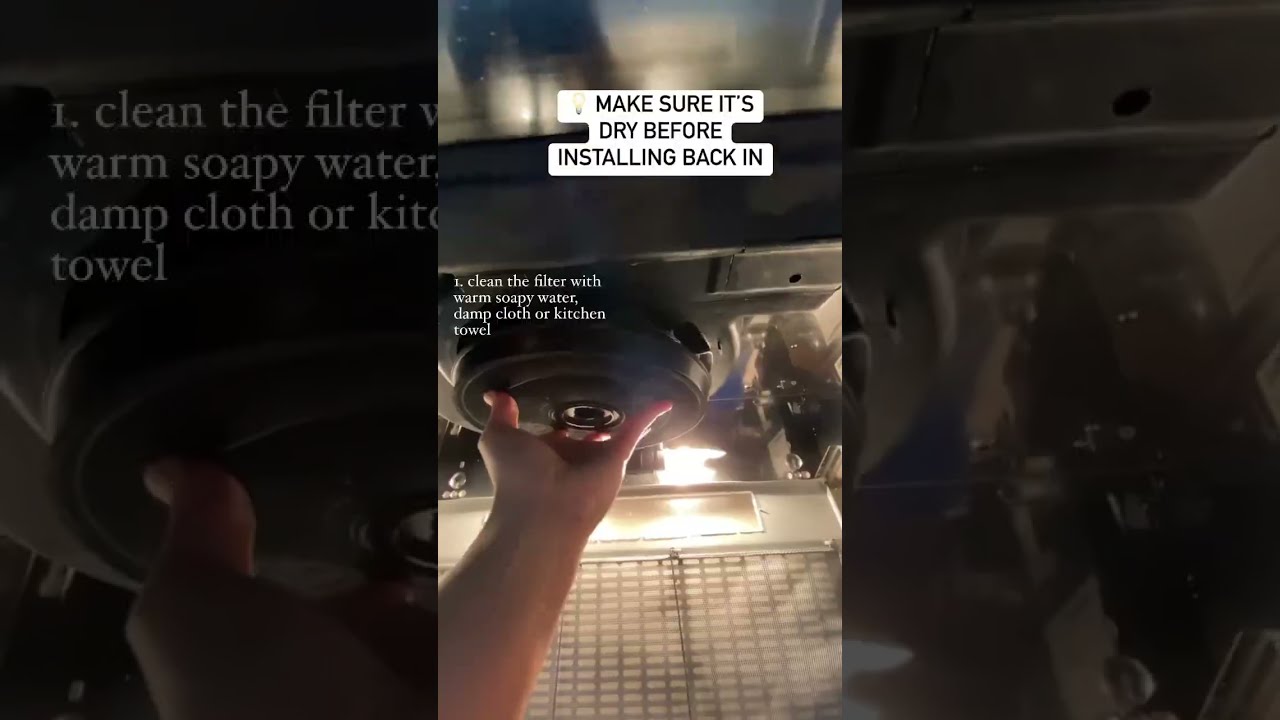
- Use the Hood: Always turn the rangehood on when cooking, even if you are just boiling water. Filter Checks: Develop a routine of checking the filters monthly. If they look heavily saturated, a quick wash with warm, soapy water (and never put them in the dishwasher unless specified by the manufacturer) can prevent major buildup. The Quick Wipe: Keep a damp cloth and a mild spray cleaner handy for immediate spills, preventing small messes from becoming sticky disasters.
Are you spending your weekends scrubbing grease, or are you spending them enjoying the aroma of your culinary creations? Perhaps the best alternative to DIY rangehood cleaning Sydney is simply knowing when to call the professionals and when to wipe down the surfaces.
By understanding the hidden hazards and the specialized nature of this job, you can move beyond the temptation of the scrubbing brush. Investing in professional cleaning services is not a luxury; it is a necessary act of kitchen self-care that ensures your appliance remains safe, efficient, and looking its best for years to come.
HygieneXperts - Commercial & Residential Cleaning Services
12C Tungarra Rd Girraween NSW 2145 Australia,
61498203983